Cold therapy has moved from something you endure occasionally to something many people now try to integrate into daily life. The shift matters. An ice bath used once a month after a hard workout is very different from a cold immersion practice that sits alongside sleep, work, family life and long-term health.
This guide is written for readers who are not looking for novelty or bravado. It is for those considering cold therapy at home as a sustained practice, whether that means a portable ice bath in the garden or a fully installed system that becomes part of the house.
The aim here is not to persuade you that cold therapy is essential. It is to explain what it actually involves, how people tend to use it in practice, and what makes the difference between something that lasts and something that quietly disappears after a few weeks.
What we mean by cold therapy at home
At its simplest, cold therapy is deliberate exposure to cold water for a short period of time, most commonly through cold showers or ice baths. At home, this usually falls into three broad categories:
- Cold showers, using existing plumbing
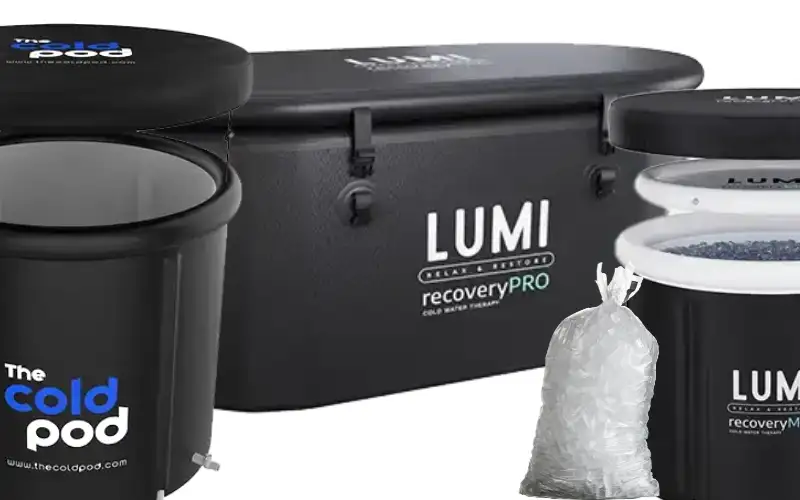
- Portable ice baths or tubs, filled manually and often chilled with ice
- Dedicated cold plunge systems, with built-in chilling and filtration
Each comes with different levels of commitment, cost and friction. The key point is that cold therapy at home is less about the specific method and more about whether it fits into your life well enough to be repeated.
Consistency matters more than intensity.
Why people actually stick with cold therapy
Much of the popular discussion focuses on acute effects: the shock, the rush, the sense of achievement. But many people who come to cold therapy for things like better sleep and energy find the longer-term changes are quieter.
Common reasons people stick with it include:
- A calmer, more settled nervous system response over time
- Improved morning energy and focus
- A clearer transition between work and rest
- A sense of routine that feels deliberately chosen
This aligns with what many people discover after the first few weeks. The experience becomes less about tolerating cold and more about how the body adapts to it.
If you already use cold therapy for sleep or energy, this article should feel like a structural extension of that understanding rather than a reset.
Choosing the right level of setup
One of the most common mistakes is over- or under-committing at the start.
Cold showers
Cold showers are often recommended as an entry point because they require no equipment. They are useful, but limited.
They work best for people who:
- Want a brief daily stimulus
- Have limited space
- Are experimenting rather than committing
They are less effective for controlled immersion, and many people find they plateau quickly.
Portable ice baths
Portable tubs sit in the middle ground. They are relatively inexpensive, flexible and popular with first-time buyers.
They suit people who:
- Want immersion without permanent installation
- Have outdoor space or a garage
- Are willing to manage water changes and ice
The downside is friction. Filling, draining, sourcing ice and managing hygiene all add up. Some people enjoy this ritual. Others slowly stop using the bath because it becomes inconvenient.
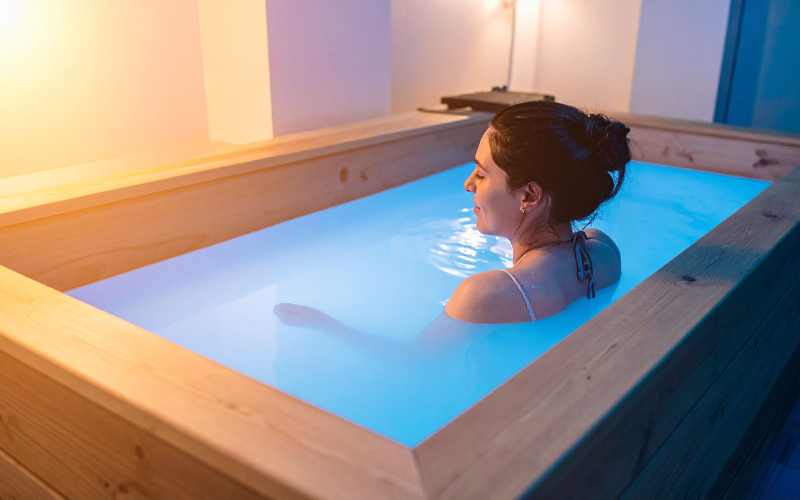
Dedicated cold plunge systems
Installed cold plunge systems remove most of that friction. Water stays clean and cold. Use becomes simpler and more predictable.
They suit people who:
- Know they want cold therapy long term
- Value design and integration
- Prefer reliability over improvisation
The financial commitment is higher, but for many owners the real value lies in use frequency rather than performance alone.
This is where reviews and comparisons of specific systems become relevant, but the decision should start with lifestyle fit rather than brand.
Space, placement and daily reality
Where your cold therapy setup lives matters more than most specifications.
In practice, the most-used setups share a few traits:
- They are easy to access without planning
- They feel private and calm
- They do not require significant preparation
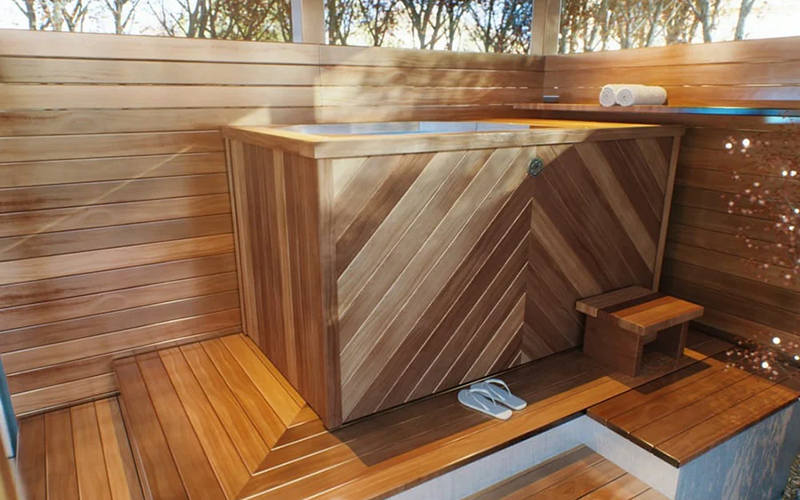
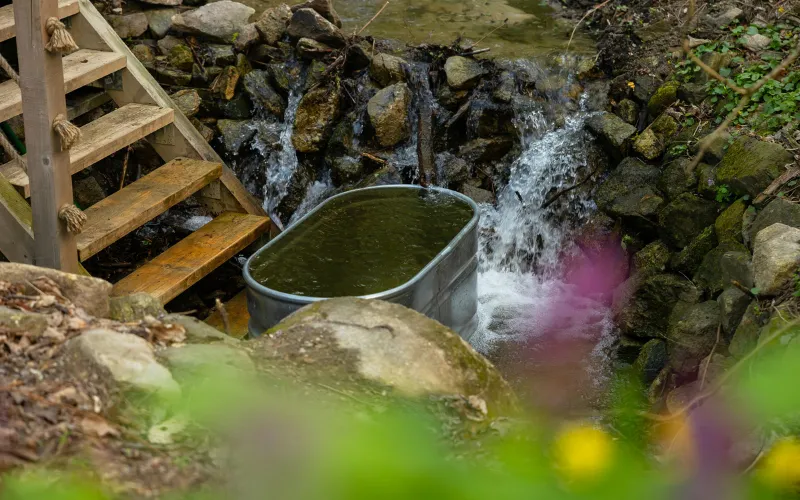
Outdoor setups can work well, particularly in cooler climates, but weather exposure, drainage and year-round use need to be considered. Indoor setups require more planning around water management and power but often feel more integrated.
If you are designing or adapting a space, think less about aesthetics initially and more about whether you would use it on a cold, busy weekday morning.
Temperature, duration and frequency
There is no single correct protocol, despite what some online discussions suggest.
Most long-term users settle into a relatively narrow range:
- Water temperature somewhere between 8°C and 12°C
- Immersion time of 2 to 5 minutes
- Frequency of 3 to 6 sessions per week
which can effectively reduce muscle soreness and accelerate fatigue recovery. Colder is not automatically better. Longer is rarely necessary. What matters is repeatability without excessive stress.
If cold therapy leaves you consistently exhausted, irritable or unable to sleep, it is not working as intended.
Cold therapy and the nervous system
One reason cold therapy works well as a home practice is its effect on the nervous system.
Initial exposure activates a stress response. With repetition, the body learns to regulate that response more efficiently. Over time, many people notice:
- Faster recovery from stress
- Improved tolerance to discomfort
- A clearer distinction between activation and rest
This adaptation is gradual. It depends on consistency and restraint rather than pushing limits. For this reason, integrating cold therapy into an existing routine often works better than treating it as a standalone challenge.
Integrating cold therapy into daily life
The question is not when cold therapy is optimal in theory, but when it fits in practice.
Common patterns include:
- Morning use to establish alertness and structure
- Post-work use as a transition ritual
- Occasional use after training or long days
What matters is choosing a time that you can protect. Cold therapy that constantly gets postponed tends to fade out.
Many long-term users find that pairing cold therapy with an existing habit, such as waking or finishing work, increases consistency.
Maintenance, hygiene and long-term ownership
This is where enthusiasm often meets reality.
Portable baths require regular water changes and cleaning. Installed systems require filter maintenance, servicing and occasional troubleshooting. None of this is difficult, but all of it matters.
If you are considering a permanent setup, it is worth reading detailed cost and ownership breakdowns alongside reviews. The purchase price is only part of the picture. Time, attention and upkeep all play a role in whether the system continues to feel worthwhile.
A well-maintained setup fades into the background. A neglected one becomes a source of friction.
Common mistakes to avoid
A few patterns come up repeatedly among people who abandon cold therapy at home:
- Starting too cold, too often
- Choosing a setup that does not fit available space
- Underestimating maintenance requirements
- Treating cold therapy as a test of willpower rather than a practice
Cold therapy works best when it feels deliberate, not punishing.
In short
Cold therapy at home can be a valuable long-term practice, but only if it is designed around real life rather than ideals.
The most effective setups are not necessarily the coldest or most impressive on paper. They are the ones that get used regularly, maintained easily and integrated calmly into daily routines.
If you approach cold therapy as something to live with rather than something to conquer, it is far more likely to last.