An ice bath rarely fails because it does not get cold enough. More often, it fails quietly. Use becomes irregular. Maintenance slips. The space around it feels slightly awkward, then inconvenient, then ignored.
The difference between a home ice bath that becomes part of daily life and one that fades into the background is rarely the product itself. It is everything around it.
Ownership begins long before the first plunge.
Space decides behaviour
Where an ice bath lives determines how often it is used.
Setups that work well tend to share a simple trait: they are easy to reach without friction. There is no rearranging furniture, no navigating clutter, no sense that using the bath requires a small expedition.
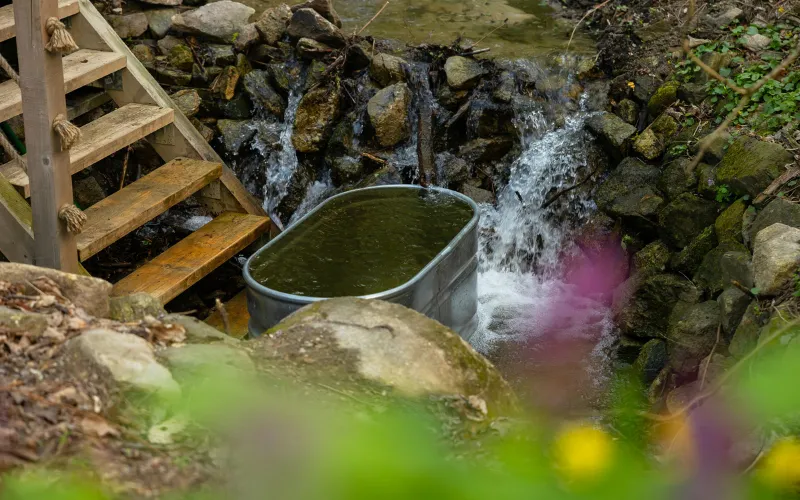
Outdoor placements are common for this reason. They simplify drainage and ventilation, and they tolerate mess. When thoughtfully positioned, they can feel deliberate rather than improvised. The downside appears in winter, in wind, or when access involves stepping outside in a way that feels exposed rather than purposeful.
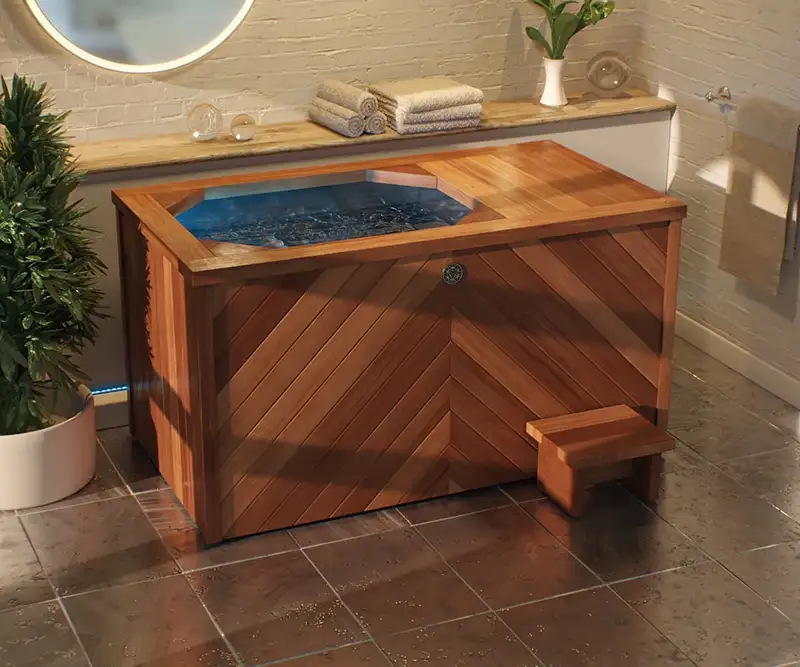
Indoor placements feel calmer and more contained. They also ask more of the building. Floors need to cope with weight. Moisture needs somewhere to go. Sound becomes noticeable. When these factors are handled properly, indoor baths often see more consistent use. When they are not, even a beautifully designed system can feel intrusive.
The question is not whether a space can technically accommodate an ice bath. It is whether you will want to go there on an ordinary weekday.
Installation is where intention becomes real
Portable tubs arrive quietly. You unfold them, fill them, and begin. There is very little to decide, which is part of the appeal. The routine that follows is the test. Filling, draining and cleaning either becomes a rhythm or a reason to postpone sessions.
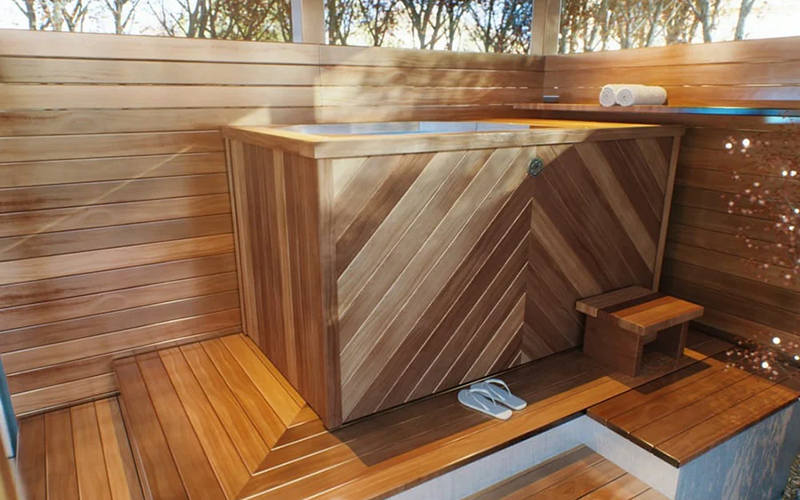
Installed systems reverse that pattern. More thought is required at the start, but far less effort is demanded later. Power, drainage and clearances need to be right. Commissioning matters. Once in place, use becomes predictable.
This is where many people begin comparing installed cold plunge systems more carefully. Not because they are chasing marginal performance gains, but because assumptions about installation and ownership vary more than brochures suggest.
Power, noise and what the house notices
Most modern systems run on standard domestic electricity, but that does not mean they are invisible.
Chillers generate heat. Pumps create vibration. Fans make noise. Outdoors, this often disappears into the background. Indoors, it travels through walls and floors.
These details rarely feature in buying decisions, yet they shape the experience more than temperature range or cooling speed. A quiet system in the wrong location still feels present. A slightly louder system, well placed, often disappears.
Ownership feels easier when the rest of the house barely notices.
Water, hygiene and the unglamorous parts
Cold water does not stay clean by itself.
Portable baths rely on regular draining and refilling. How often depends on use, environment and tolerance, but neglect shows quickly. Odour, discomfort and reluctance follow.
Installed systems reduce this burden through filtration and sanitation, but they do not remove it entirely. Filters need replacing. Surfaces need attention. Occasionally, something needs adjusting.
People who enjoy long-term use tend to fold these tasks into the practice itself. A brief check while the system runs. A filter change scheduled without drama. Maintenance stops feeling like upkeep and starts feeling like ownership.
Power without permanence, permanence without effort
Some owners value flexibility. They like that a system can be packed away, moved, or removed entirely. Others want the opposite. They want something that stays put, works reliably, and requires minimal thought.
Neither preference is more virtuous. Problems arise when the setup chosen does not match the temperament of the owner.
Electric-free tubs reward discipline. Plumbed systems reward commitment. Most frustration comes from crossing those wires.
Costs that appear slowly
Beyond the purchase price sit smaller, recurring realities. Electricity. Water. Filters. Occasional servicing.
Individually, these costs are modest. Together, they influence how ownership feels over time. People who understand this early rarely feel misled later. Those who do not often reassess their enthusiasm months in.
This is why detailed cost and ownership breakdowns tend to be more useful than headline pricing when weighing long-term value.
Why some setups last
The ice baths that remain in use after the novelty fades tend to share a few characteristics.
They are easy to access.
They do not demand constant attention.
They fit the rhythms of the household rather than interrupt them.
They feel less like equipment and more like infrastructure.
In short
Ice bath ownership is not complex, but it is revealing.
It exposes how much friction you tolerate, how much maintenance you accept, and how deliberately you design the spaces you use every day.
When installation, space, power and maintenance are aligned, cold immersion becomes ordinary in the best sense of the word. It stops being something you psych yourself up for and starts being something you simply do.
That is usually when it lasts.